How Social Justice Movements Succeed
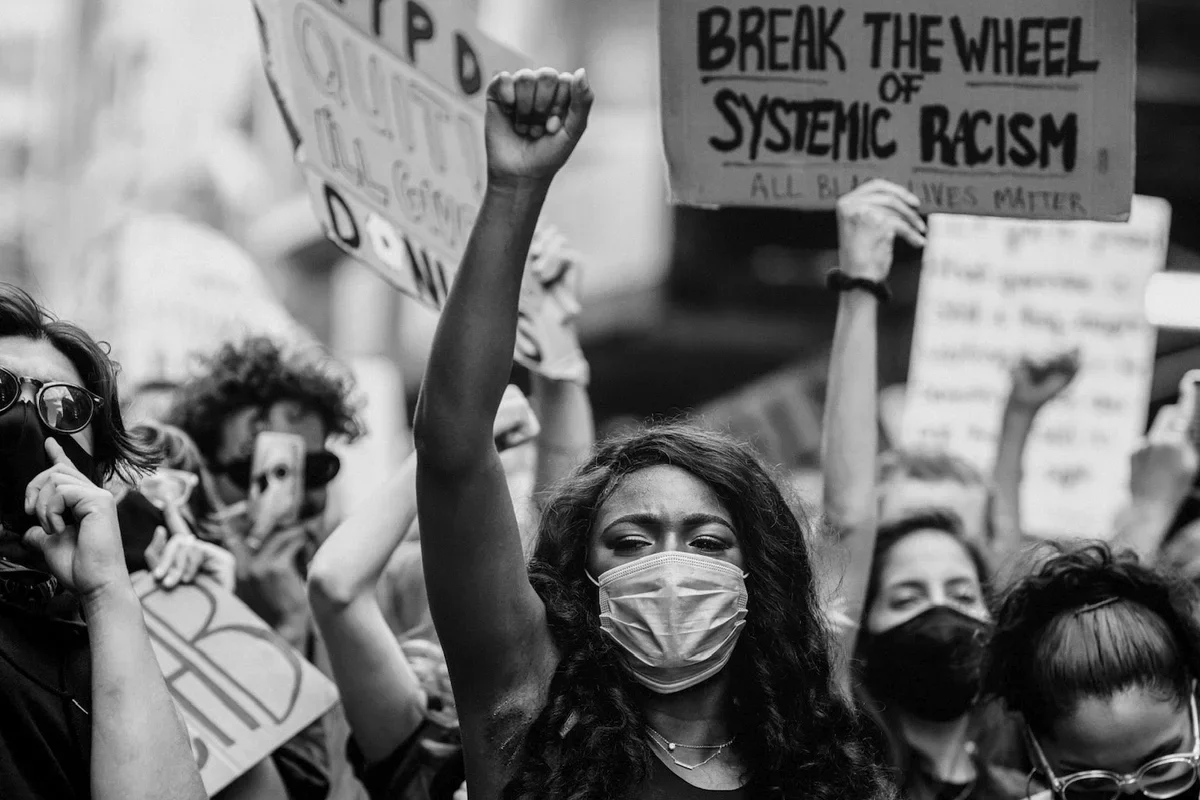
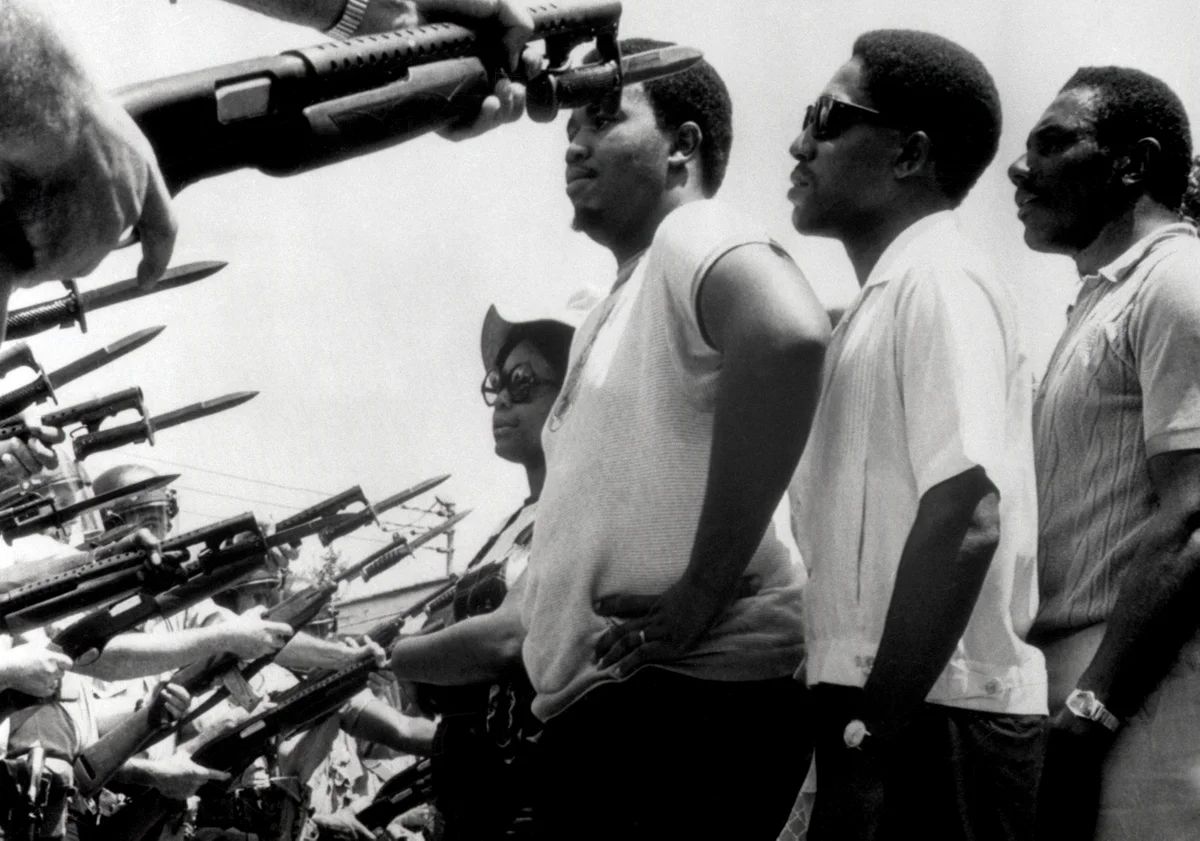
In March 2021, Scientific American published a cover story titled “How Social Justice Movements Succeed,” examining the historical roots, strategies, and enduring lessons of movements that have advanced human dignity and equality. For the Washington Gladden Social Justice Park, the article offers more than a look back. It invites us to consider what past movements can teach us about the work still before us.
The reflections that follow come from Washington Gladden Social Justice Park board members and volunteers who were invited to read, respond, and consider how these lessons connect to the Park’s mission today. Together, their reflections lift up several shared themes: the moral courage required to confront injustice, the power of nonviolent action to change hearts and minds, the importance of strong institutions and sustained leadership, and the unique role the Park can play as a place of learning, gathering and renewal.
At a time when the struggle for justice can feel both urgent and complex, these reflections remind us that progress is never automatic. It is built through memory, imagination, persistence, and love. The legacy of Washington Gladden — and of the Social Justice Legends honored in the Park — challenges us not only to admire the work of those who came before us, but to ask how we might help prepare the way for what comes next.
From Mike Curtin, Park Board Member:
The Scientific American essay reminds us that America’s greatest advances in social justice germinated from spiritual insights. The genius of Martin Luther King Jr. was informed through the study of Christ and Gandhi.
The essay reminds us that the world’s greatest advances in justice and equality were achieved through nonviolent actions – strikes, boycotts, sit-ins, marches, vigils – holding the power to appeal to the consciences of millions, transforming hearts and minds.
And the essay powerfully reminds us that the work to achieve social justice, human dignity and equality never ends.
From Steve Sterrett, Park Committee Member:
The social justice movements today – for racial equity, for peace, against climate warming and against economic inequality – have new technological tools with which to organize and to advocate, but they may not have found or created the institutional support to succeed long-term.
As Professor Aldon Morris points out, the Civil Rights Movement organized over decades with institutional support from Black churches and permanent advocates, such as the NAACP and its branches throughout the nation. The challenge for social justice movements in the 21st century is experienced leadership, consistent institutional support and a shared strategy. Today’s advocates tend to bloom when the spotlight is on them, but, as the news cycle moves on, they fade for the lack of roots.
From Tom Brownfield, Park Board Member:
The legacy of Washington Gladden should guide all that we say and do on behalf of his namesake Park. Dr. Gladden was unusually tolerant for a person of his time, yet he was not tolerant of injustice. He worked with those with whom he disagreed, but he would not compromise his fundamental understanding of right and wrong. I do not see how we can faithfully deviate from that model.
Aldon Morris notes in his Scientific American article that churches played an important role in the Civil Rights Movement by providing space for rallying, planning and sustaining community. Fifty years later, fewer participants in justice movements are connected to churches. That may provide an opportunity for Washington Gladden Social Justice Park to engage change makers in a helpful way.
Let us seek ways for the Park to encourage justice rallies, planning sessions and celebrations, while remaining a place where individuals and groups can enjoy its beauty.
The question may be less about the Park itself taking action for justice, and more about providing opportunities for the Park’s guests to learn the history of social justice, and to prepare its next steps.
From Alejandro Rodriguez, Park Board Chair:
The Park’s Social Justice Legends accomplished great things that we can admire, learn from and emulate. But I’m left thinking it is not enough. Author Charles Wachter proclaims, “The past is a terrible prediction for the future when it comes to complexity.” And these are complex times.
So many of the advances we’ve made in civil rights and social justice are being dismantled. Not brick by brick, but with wrecking cranes. Those opposed to social justice are galvanized and effective. I used to believe that incremental and methodical action was the best way to enact social change. Let people get used to an idea and they will learn to embrace it. I’m not so sure anymore.
I believe we need bold and creative action to make people aware of the plights of increasingly marginalized communities and make meaningful changes to address their needs. We need to cut through the noise of social media to touch people’s hearts and minds. We are living in a wounded world. Our hope, I believe, is to work toward a world where all are seen, heard, known, and cherished.
That requires emotional intelligence. It means being fully present and curious, setting aside judgment, welcoming authenticity, transparency and vulnerability, respecting boundaries, and inviting others without forcing them. I believe we can heal a wounded world and bring about meaningful change if we learn to love.